
Six species. All of them real, all of them at risk. This site is an exhibition of Aotearoa’s endangered wildlife — the tuatara, takahē, pekapeka, katipō, Māui dolphin, and the marine life of our coasts — built by the studio that takes its name from the wild.
We didn’t want mascots. Every animal here carries its real conservation status — and the story of what’s happening to it right now.
Māui dolphin
Popoto · Critical
The world's rarest marine dolphin lives only off the North Island's west coast. The last count, in 2021, put them at 54; a new survey is running now to see whether that number has held. Set nets and trawl fishing remain the biggest threat.
Marine life
Mangō-taniwha & everything in the water
Our shark is an ode to everything in the water. Great whites have been legally protected since 2007 and still die in set nets and trawls. The 2025 Hauraki Gulf Act tripled seafloor protection from about 6% to 18% — real progress — but bottom trawling is still legal across most of the Park, and the fight to end it is happening right now.
Pekapeka
Long-tailed bat · Critical
The long-tailed bat is one of just two land mammals that were here before people, and it's Nationally Critical — the same threat tier as the kākāpō. Predator control is slowly flipping the decline, and community groups keep finding colonies no one knew about.
Katipō
At Risk — Declining
Our only native venomous spider, significant in Māori tradition, lives in one place: coastal dunes — and more than 70% of them have been lost to development and erosion. Restore the coast and the katipō survives. It's that direct.
Tuatara
At Risk — Relict
The tuatara's order arose over 240 million years ago — before the dinosaurs. Every other member is extinct, and introduced rats nearly finished the job on the mainland. The sanctuaries are working, though: in 2025, tuatara returned to a fenced South Island sanctuary after more than a century away.
Takahē
Vulnerable
Rediscovered in the Murchison Mountains in 1948, fifty years after the world gave up on it. Decades of recovery work later there are around 500, and they're being released into new wild valleys. Proof that none of this is hopeless.
Everything above is fixable.
Every animal on this site is hand-illustrated — drawn by Gwil, then rebuilt as living vector artwork our engineers could morph, light, and animate.
The plates are the work of Gwil — Gwilym Devey — an illustrator and muralist whose creatures live on walls all over Aotearoa, including Te Papa’s Hīnātore learning lab. Elliot outlined the six species with him, Gwil put them on paper, and we vectorised the artwork into the morphing exhibition you’re looking at. See more of his work at @gwilart.
Wild Interactive is a design-led engineering studio in Wellington. The name and the wildlife aren’t decoration — they’re the brand, and this exhibition is why the studio exists in the shape it does.
It started as a coming-soon page. An interactive WebGL experience featuring these species sat where a website should have been, and it stayed up for over a year. People kept talking about it — most never realising it was a placeholder. So instead of replacing it, we made it the point.
It’s a conservation-awareness project and our portfolio at the same time. The morphing animals, the shaders, the sound — this is what we mean when we say immersive web, and it’s proof of how we build.
Day to day, we build AI systems, web platforms, and mobile products — a small, senior team working directly with clients, and embedded inside other agencies and dev teams as their engineering partner. The full lineup is on the services page.
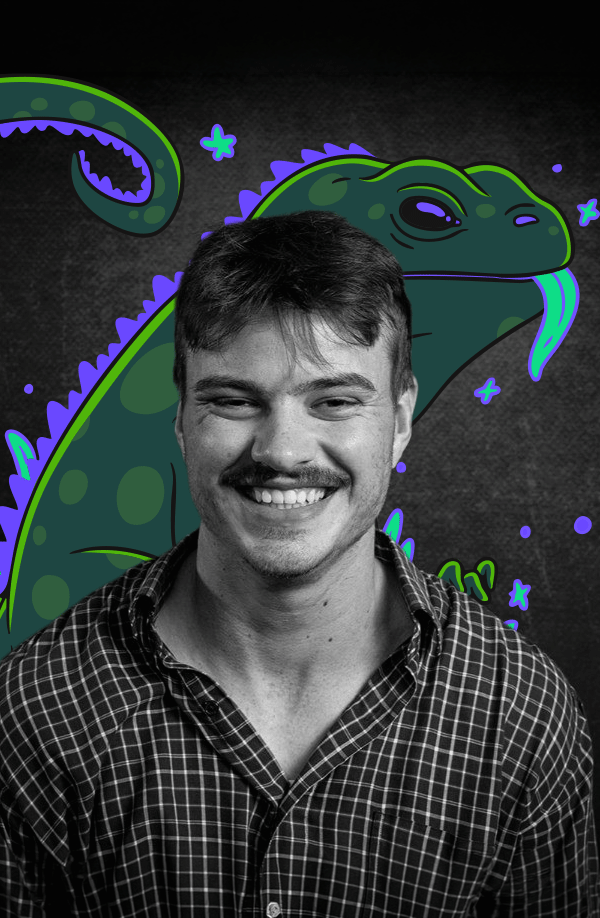
Elliot Sturzaker
Co-Founder & Tech Lead
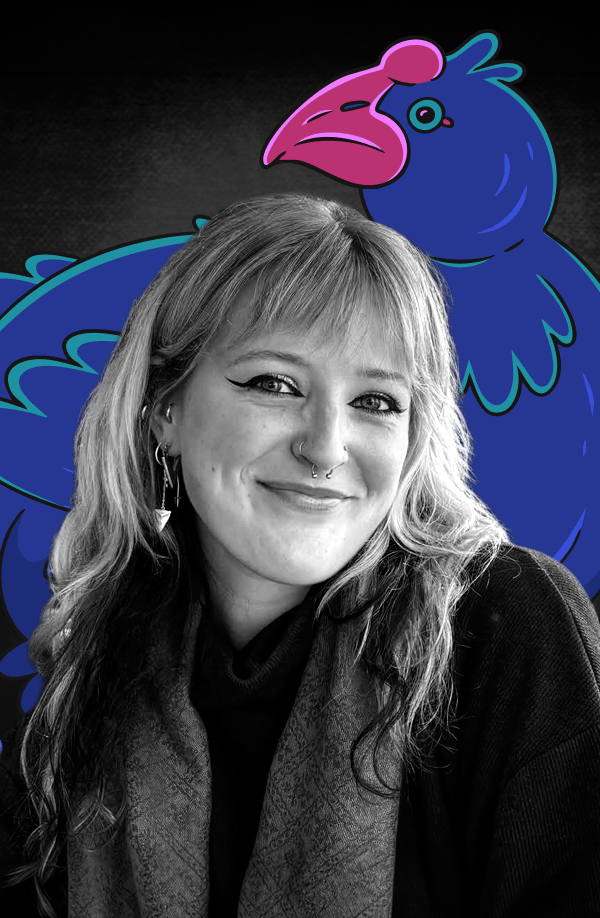
Brooke Tunley
Co-Founder & Design Lead
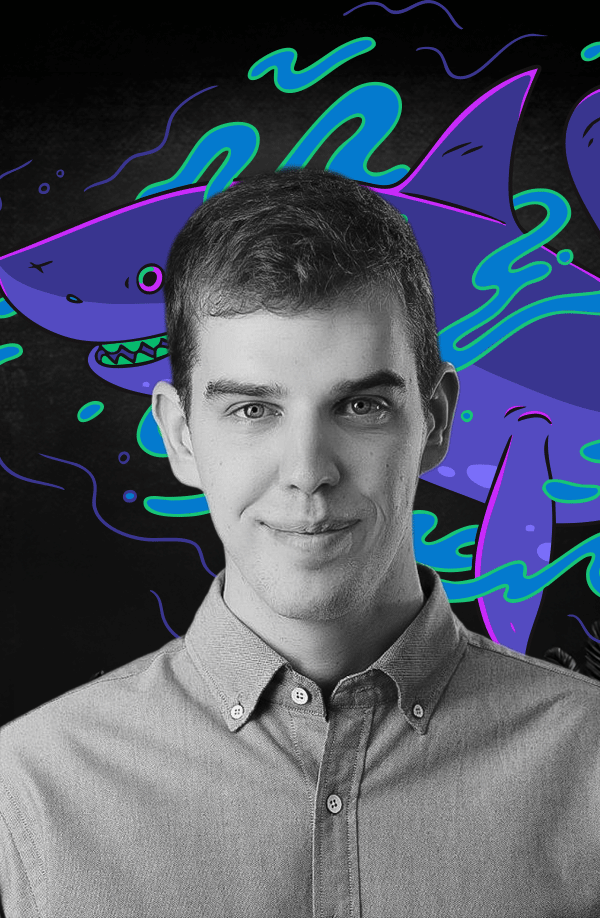
Brandon
Developer
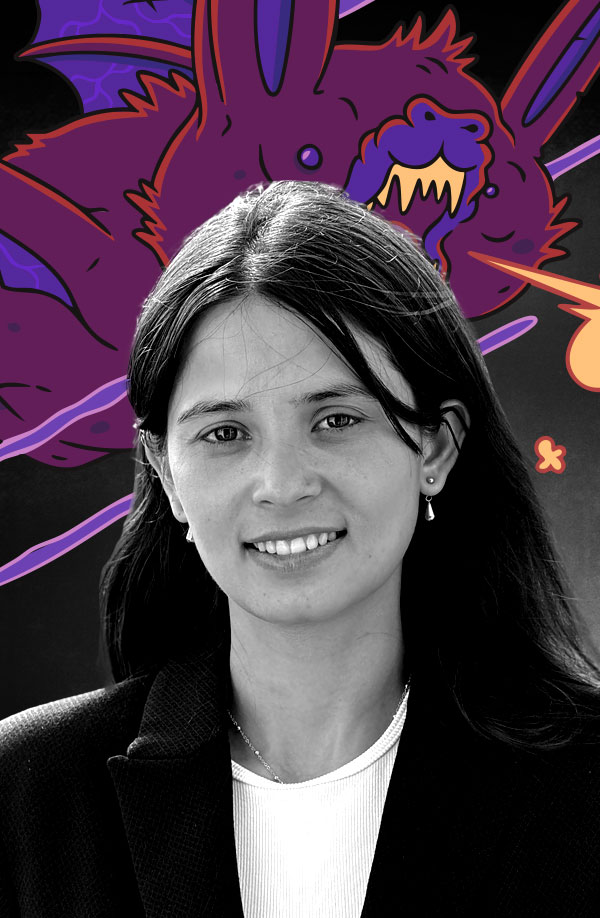
Smriti
AI Engineer

Gwil
Illustrator
Honorary shout-out

Morris
AI Operations Agent
The species got you here — the work is what we do
If you want to build something with us — or just talk about the animals — get in touch.